FIS Cross-Country World Cup – Davos, Switzerland
The Alps, thin air, and fast snow — Davos once again delivered a proper mid-season checkpoint for the Cross-Country World Cup. Some venues test form. Davos reveals it. Between tight sprints in the stadium and the relentless distance course climbing high above the valley, this is a place where specialists shine and new names suddenly become impossible to ignore.
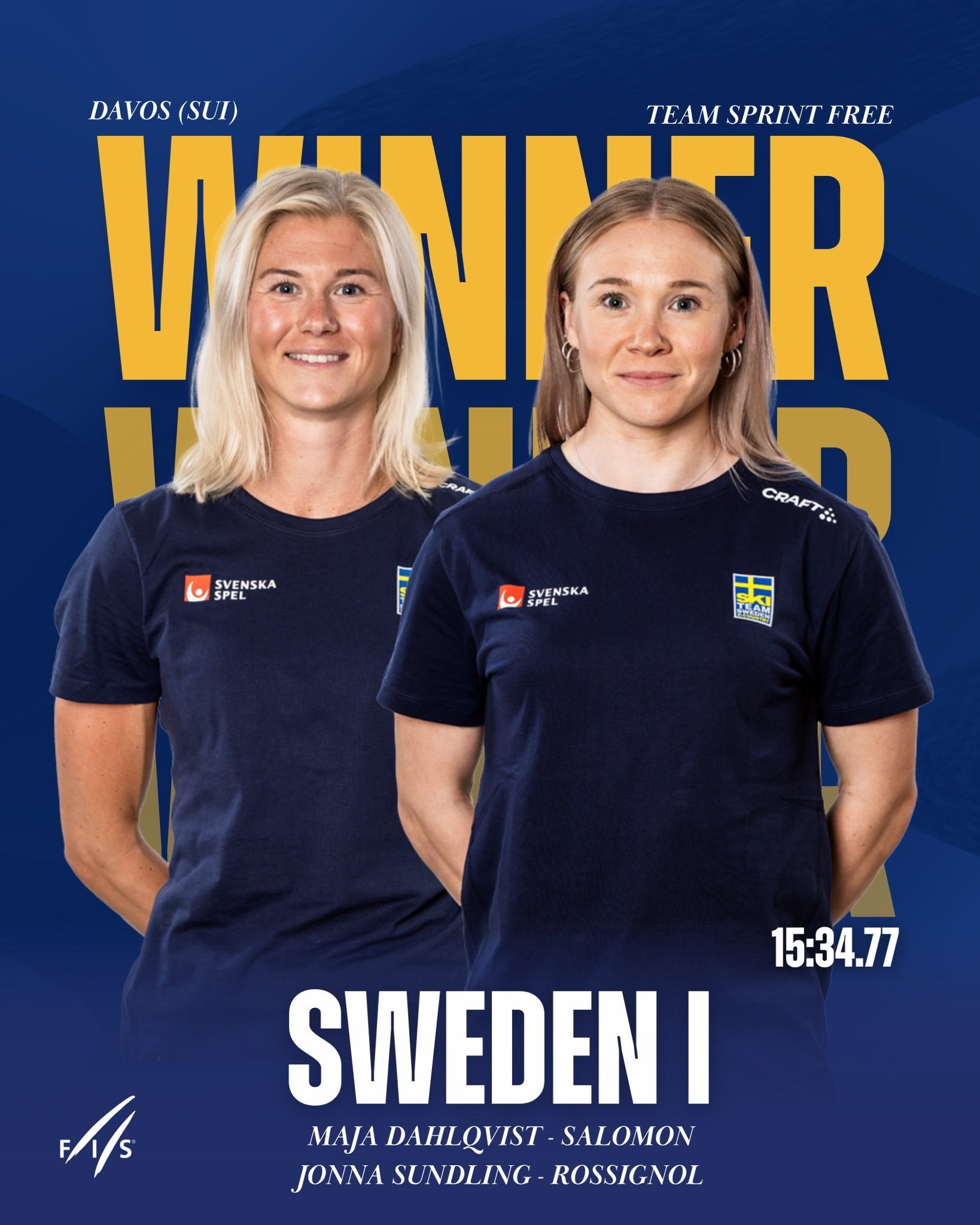
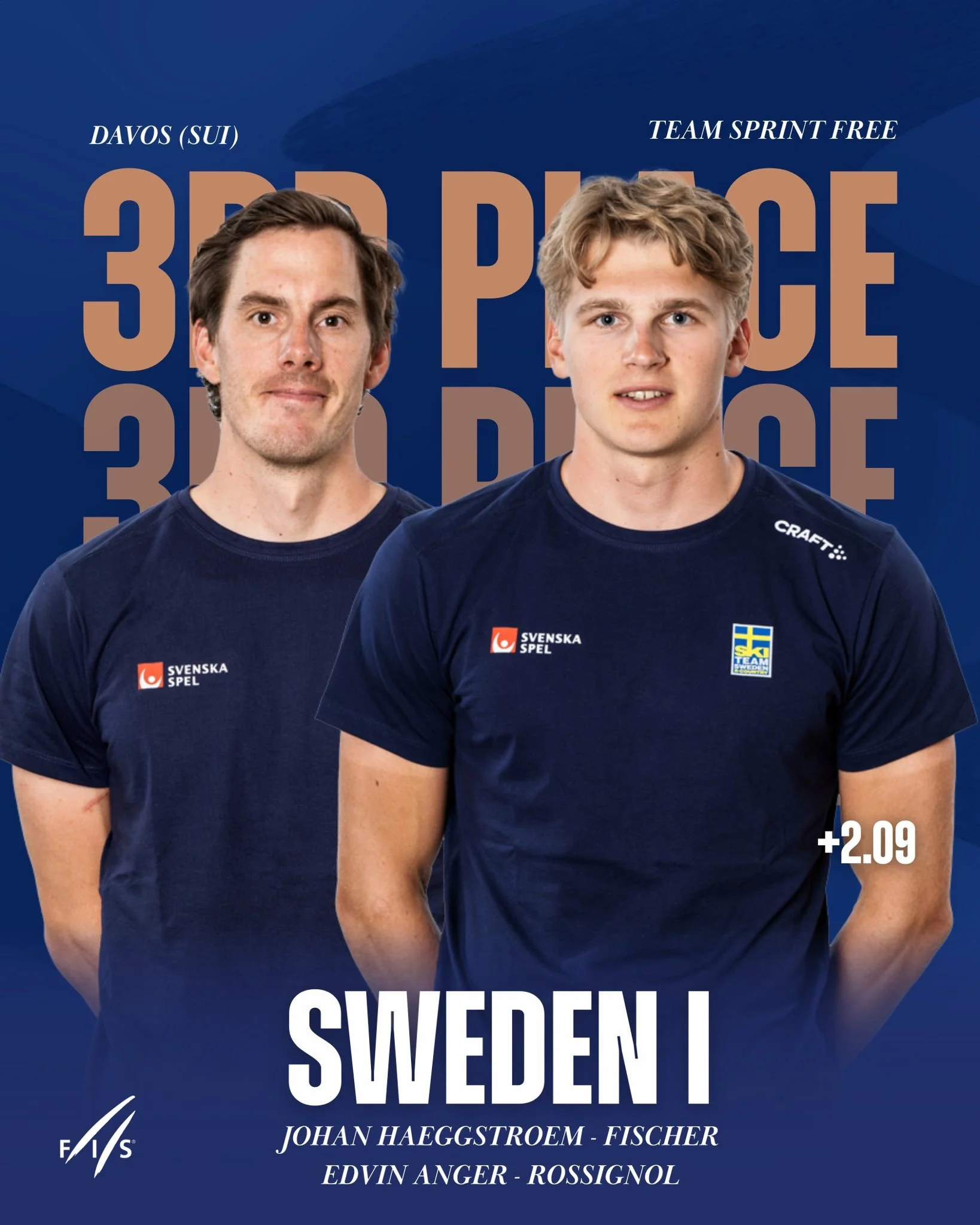
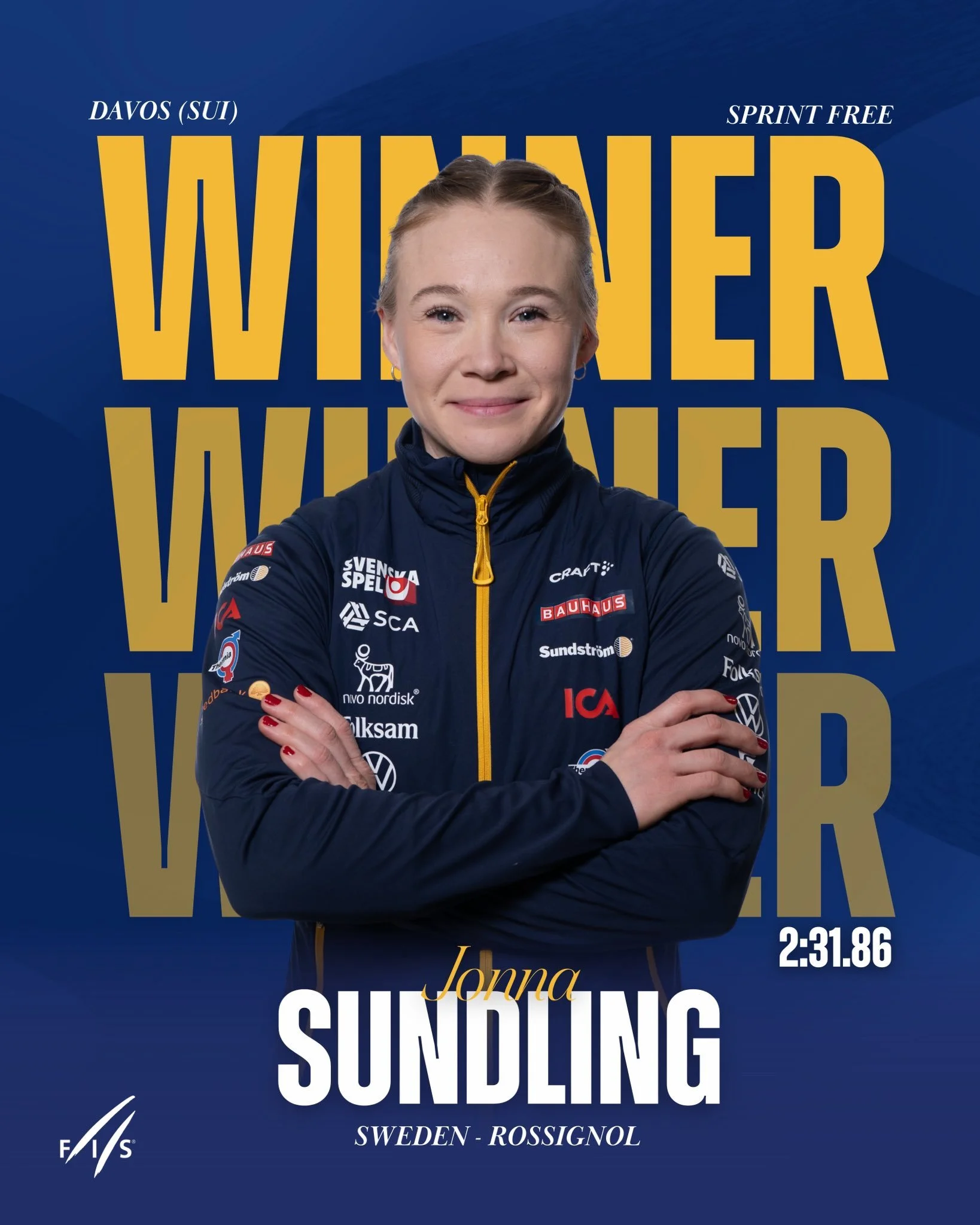
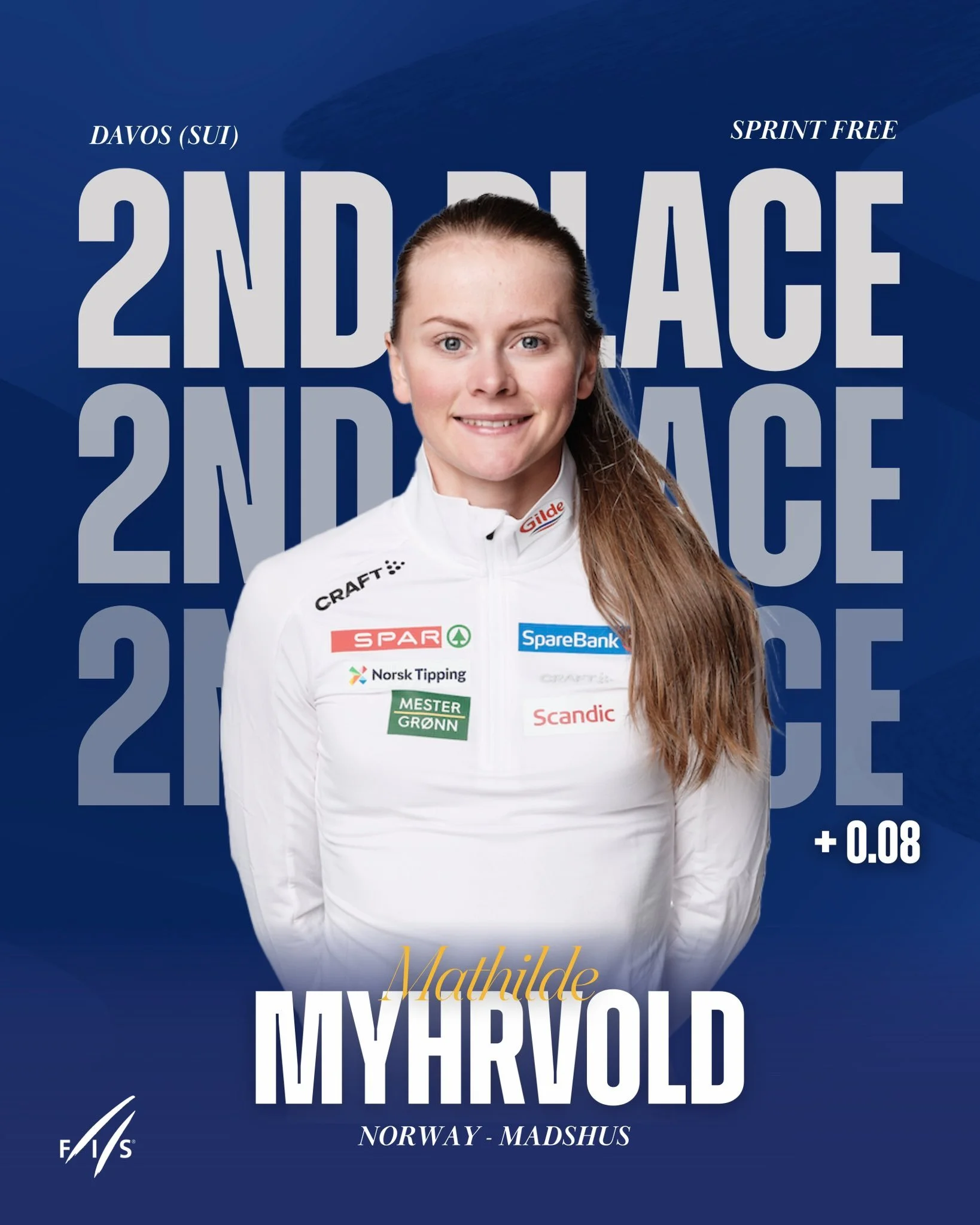
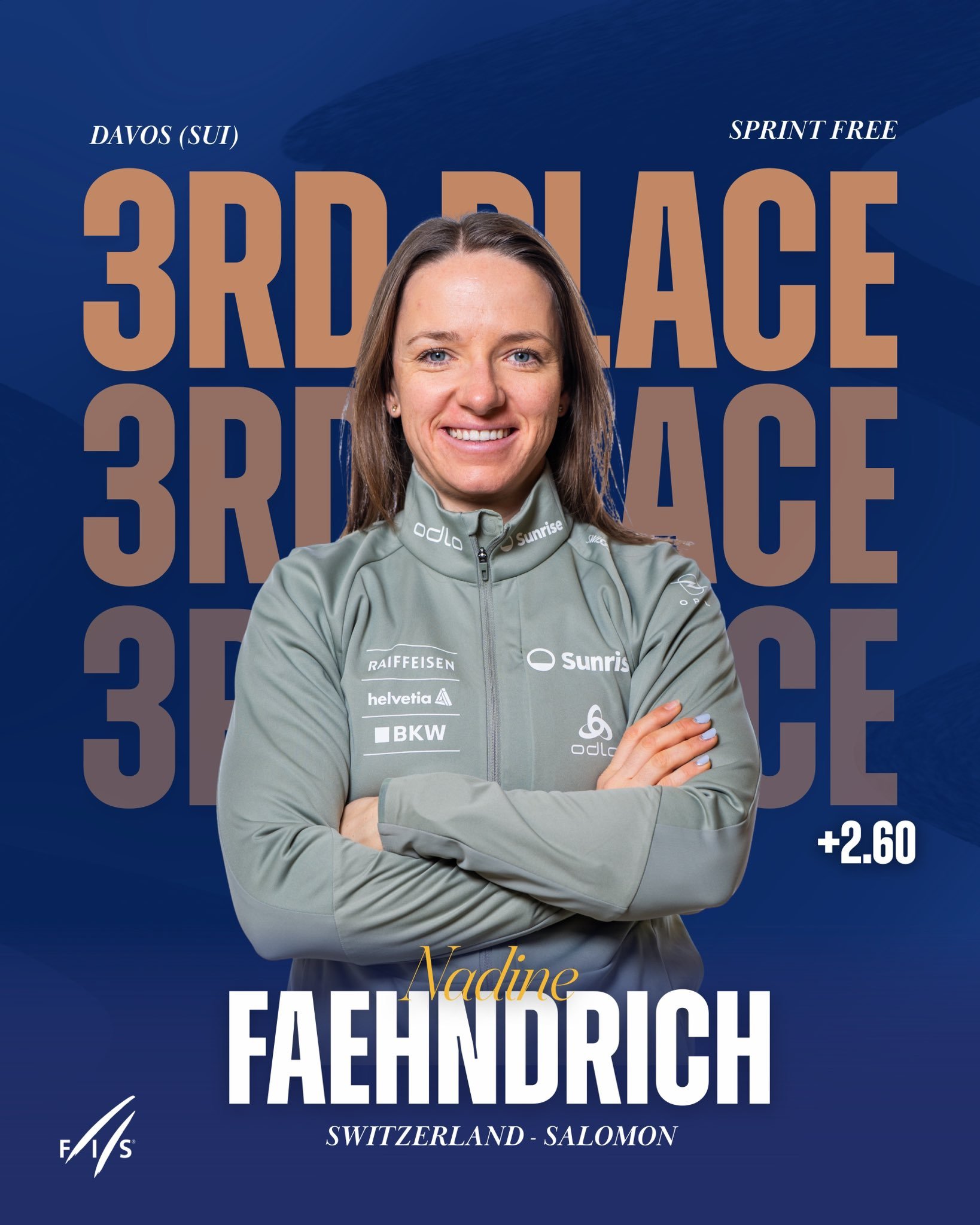
The sprint races belonged, once again, to Sweden. The Dahlqvist–Sundling partnership continues to look like the strongest sprint duo in the world right now — when Maja Dahlqvist’s calm precision meets Jonna Sundling’s explosive power in the team sprint, the result is almost predictable. Sundling herself added another individual sprint victory as well, staying under pressure until the final meters.
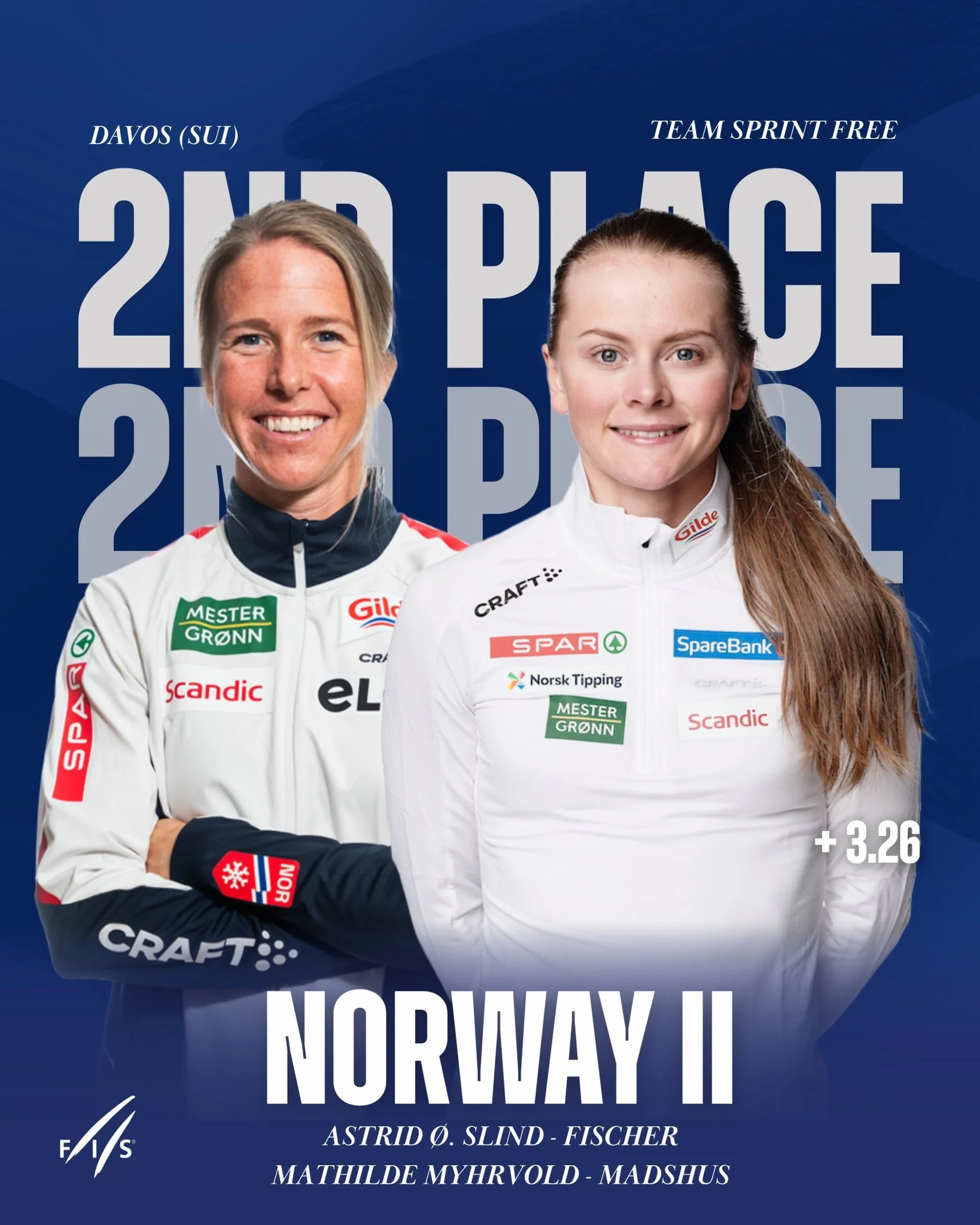
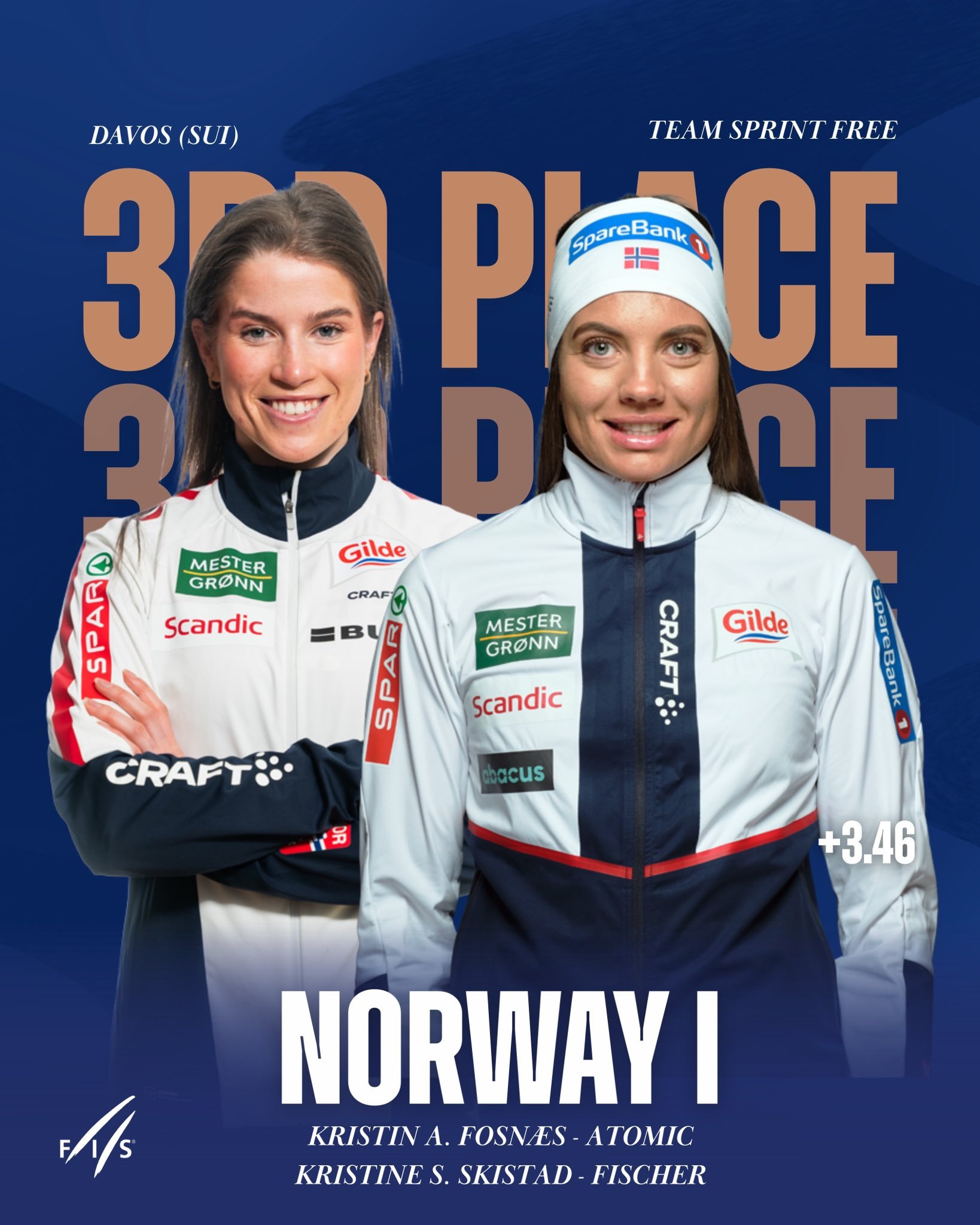
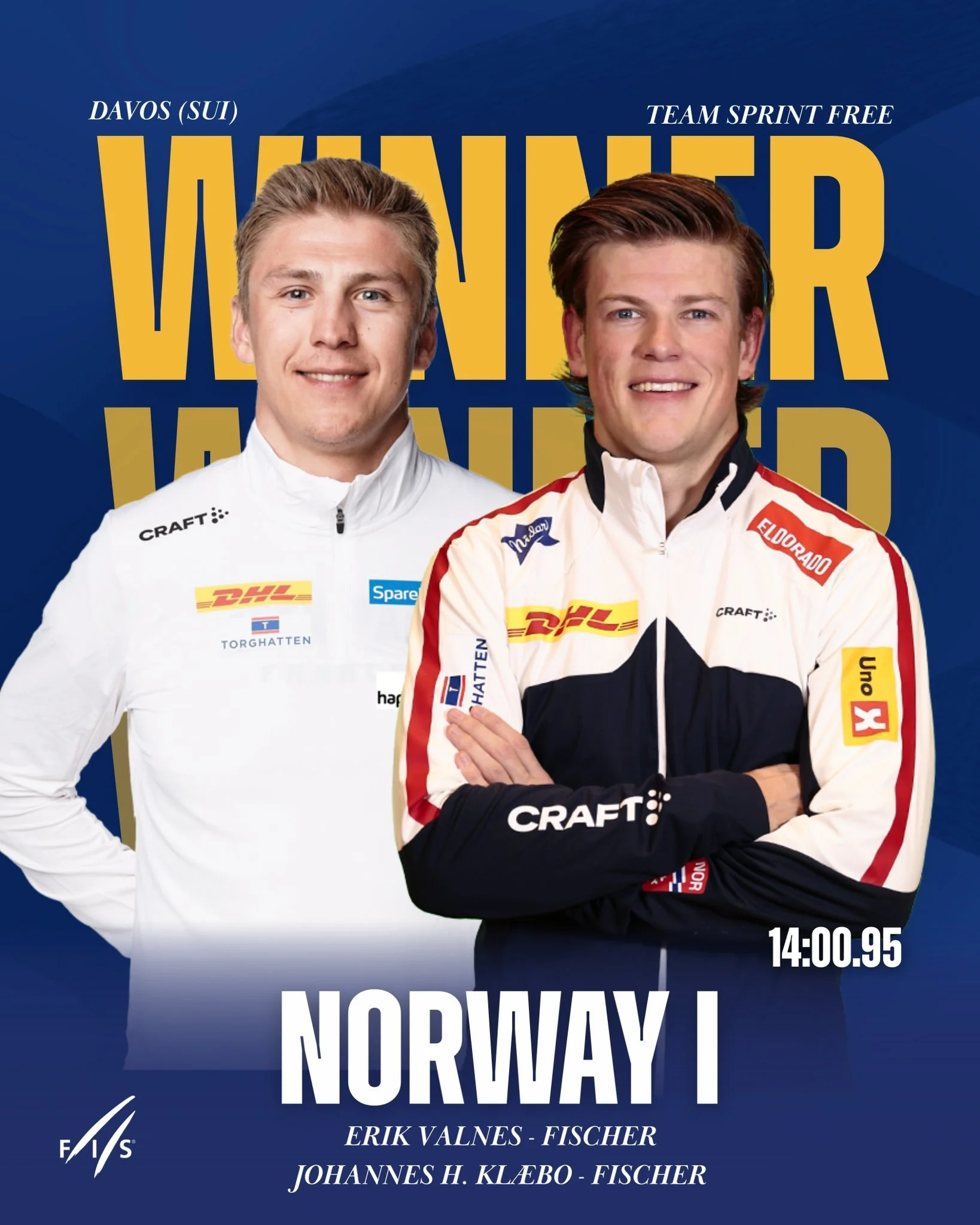
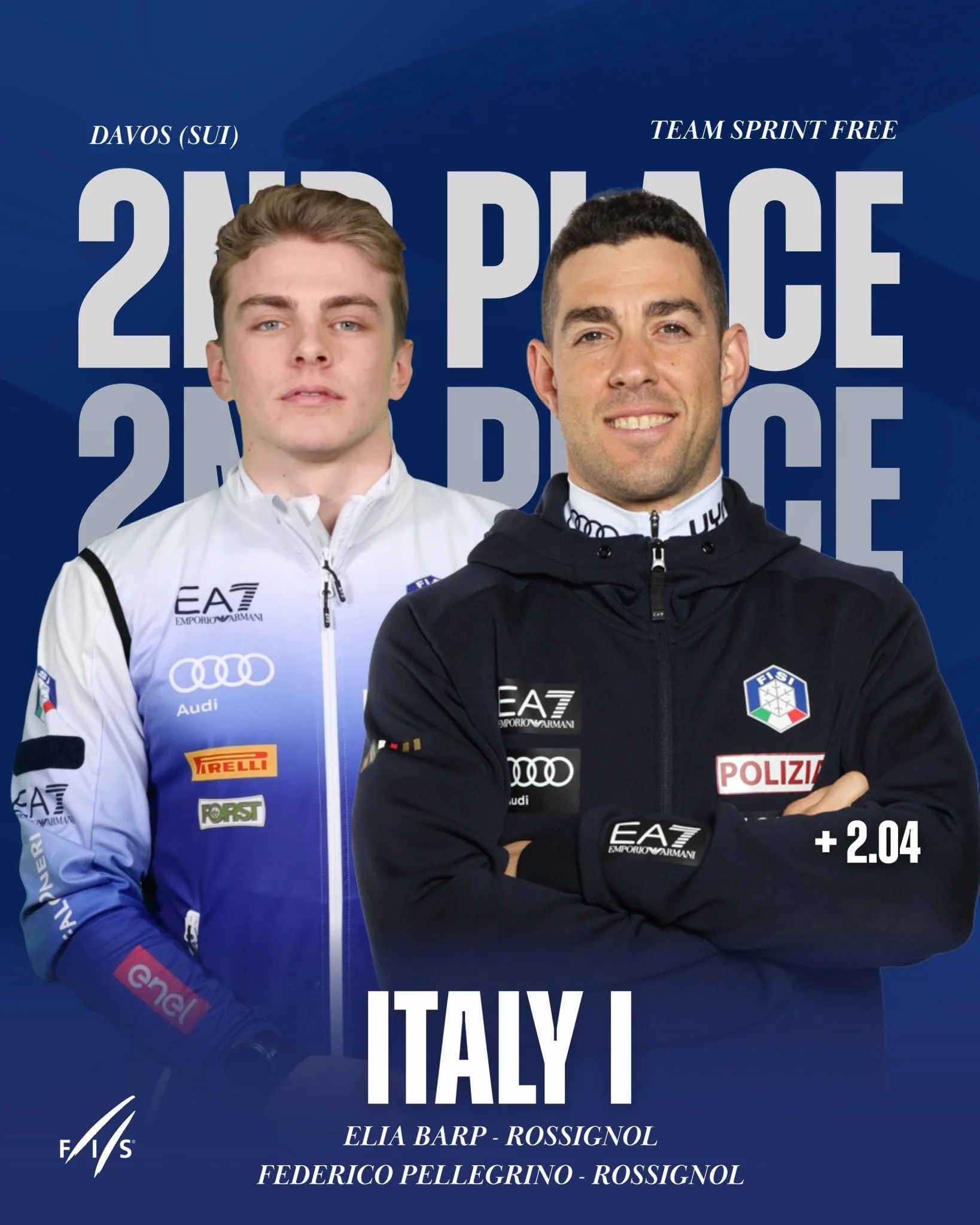
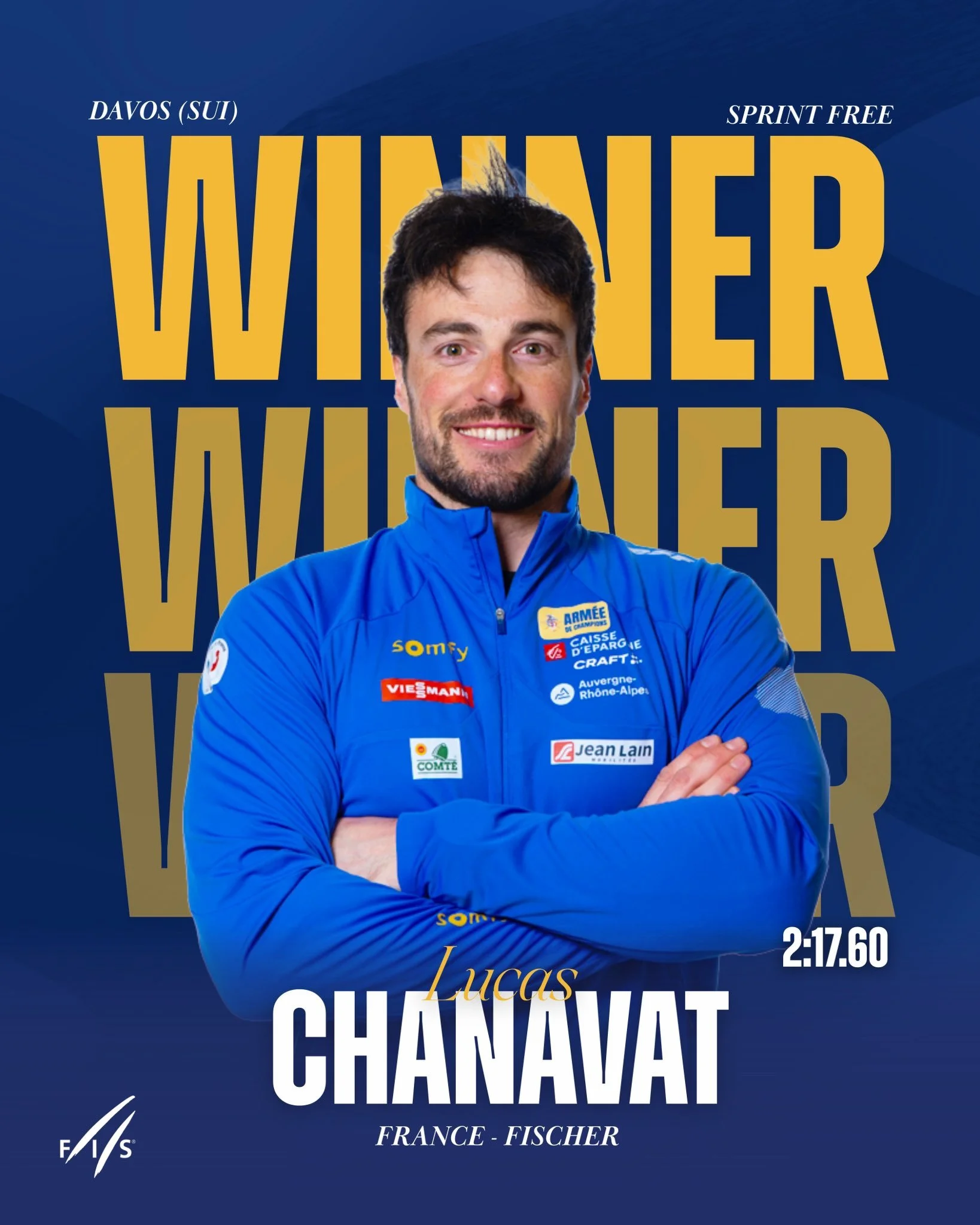
Norway answered immediately. Johannes Klæbo and Erik Valnes complemented each other perfectly in the men’s team sprint, delivering exactly what the favorites are expected to do — win. Behind them, the battle was brutal and chaotic, exactly how Davos sprints usually unfold. And as always, one rule still applies: never forget Lucas Chanavat in a skate sprint — another stunning comeback proved it again.
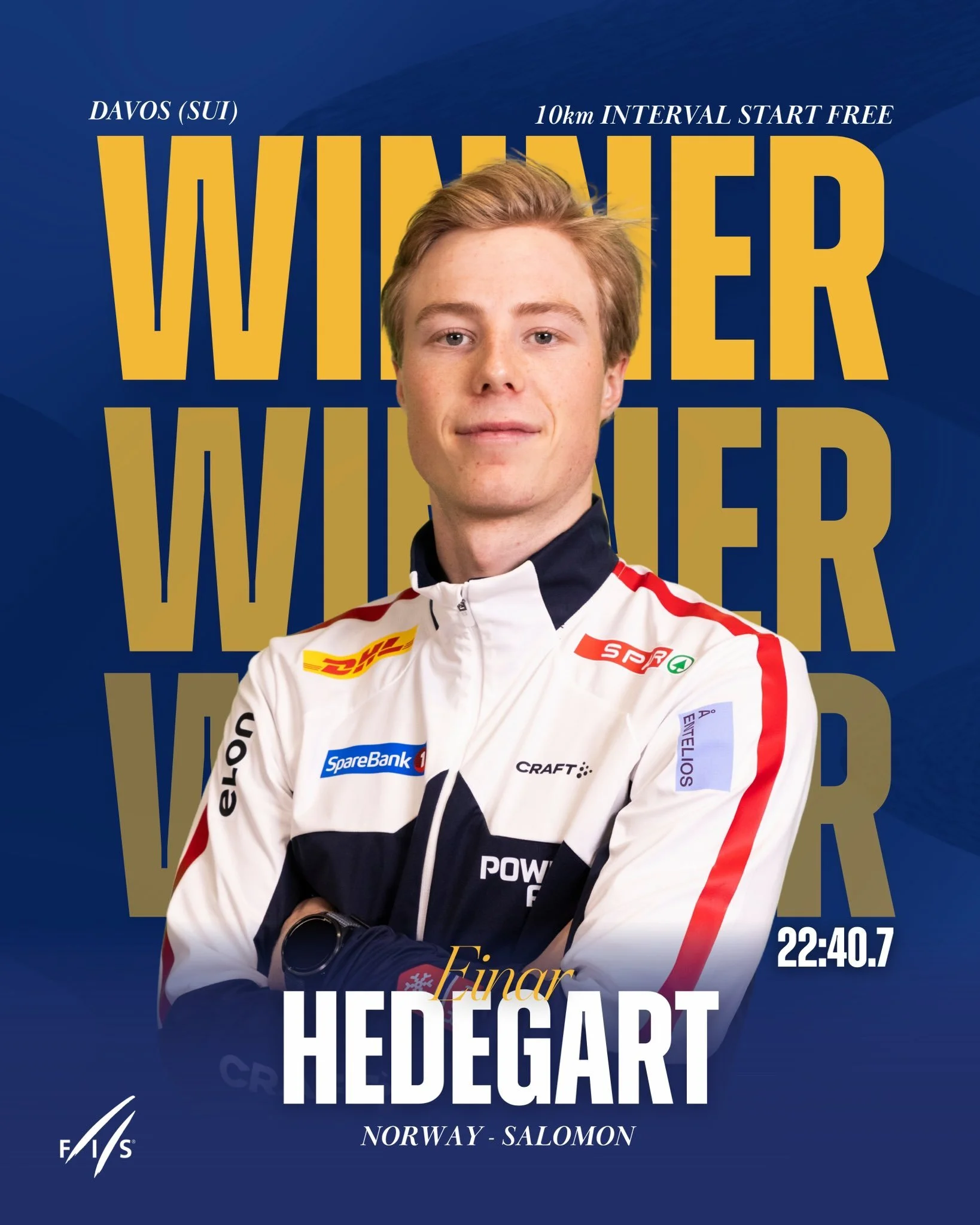
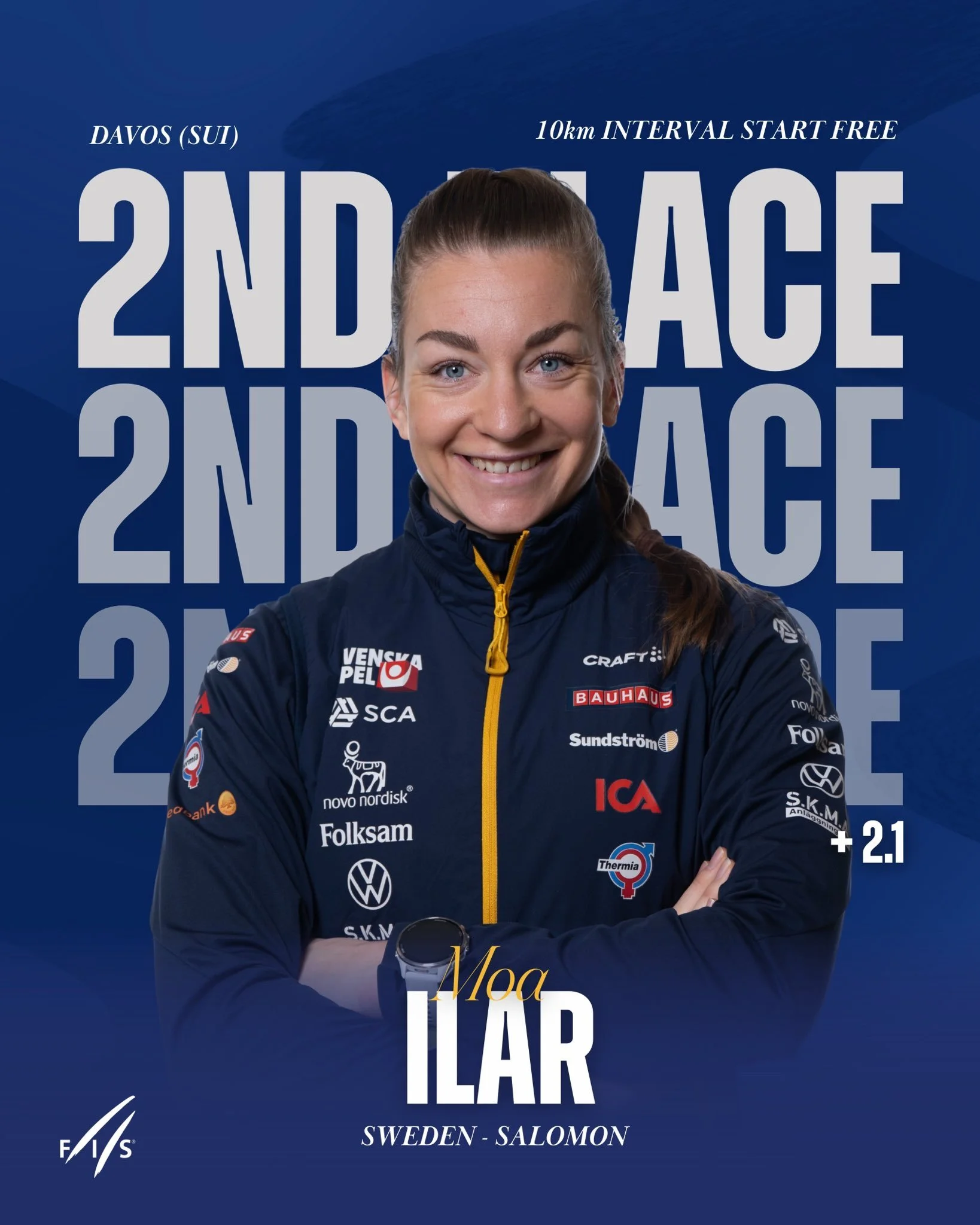
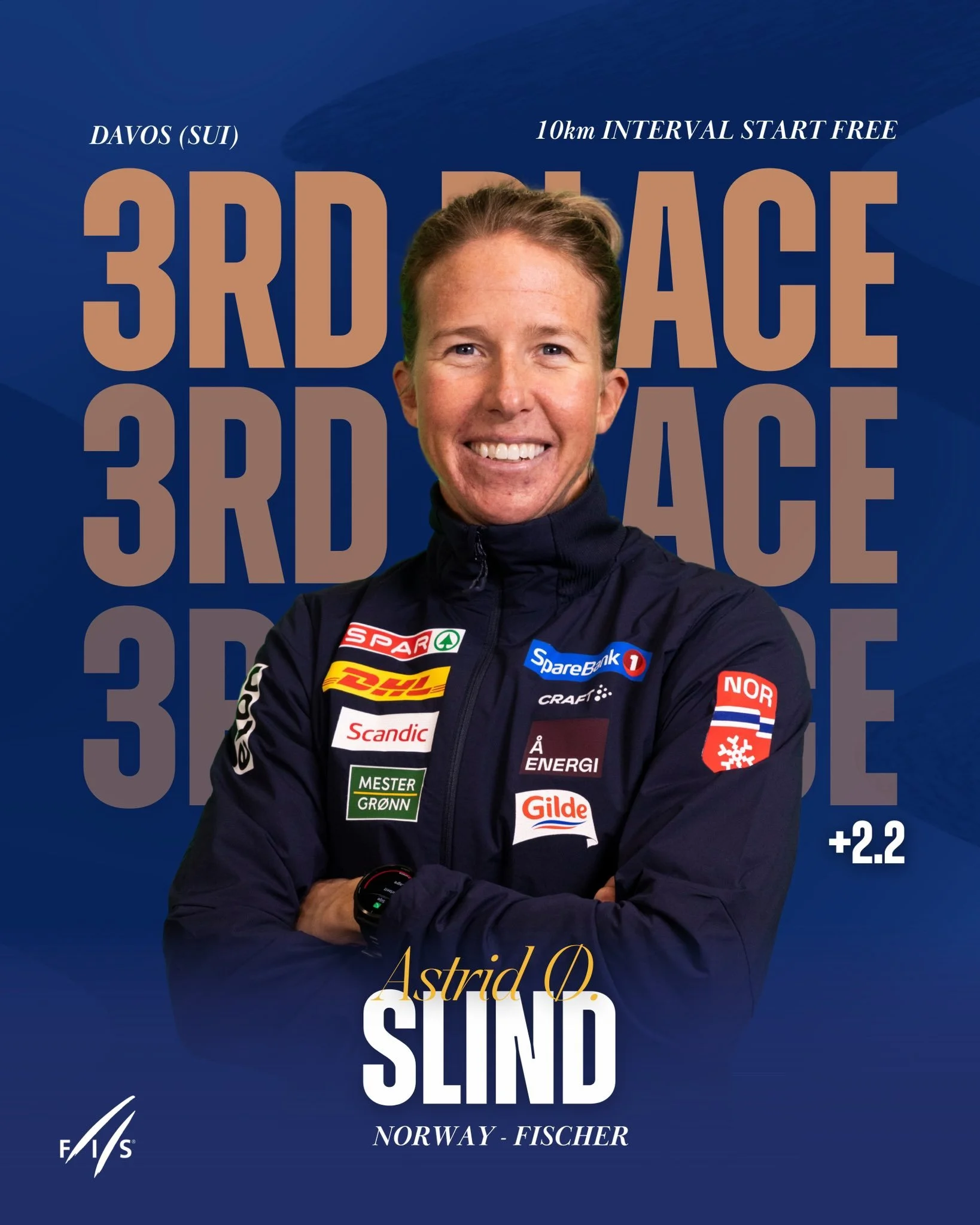
But Davos is not only about sprint fireworks. The 10 km skate interval start course may be one of the purest tests of form on the calendar: a long, grinding climb to the top of the course followed by a downhill where you never truly get to rest. On this terrain the pace setter, the man to beat, was Einar Hedegart, flying uphill and holding an unreal tempo from start to finish.
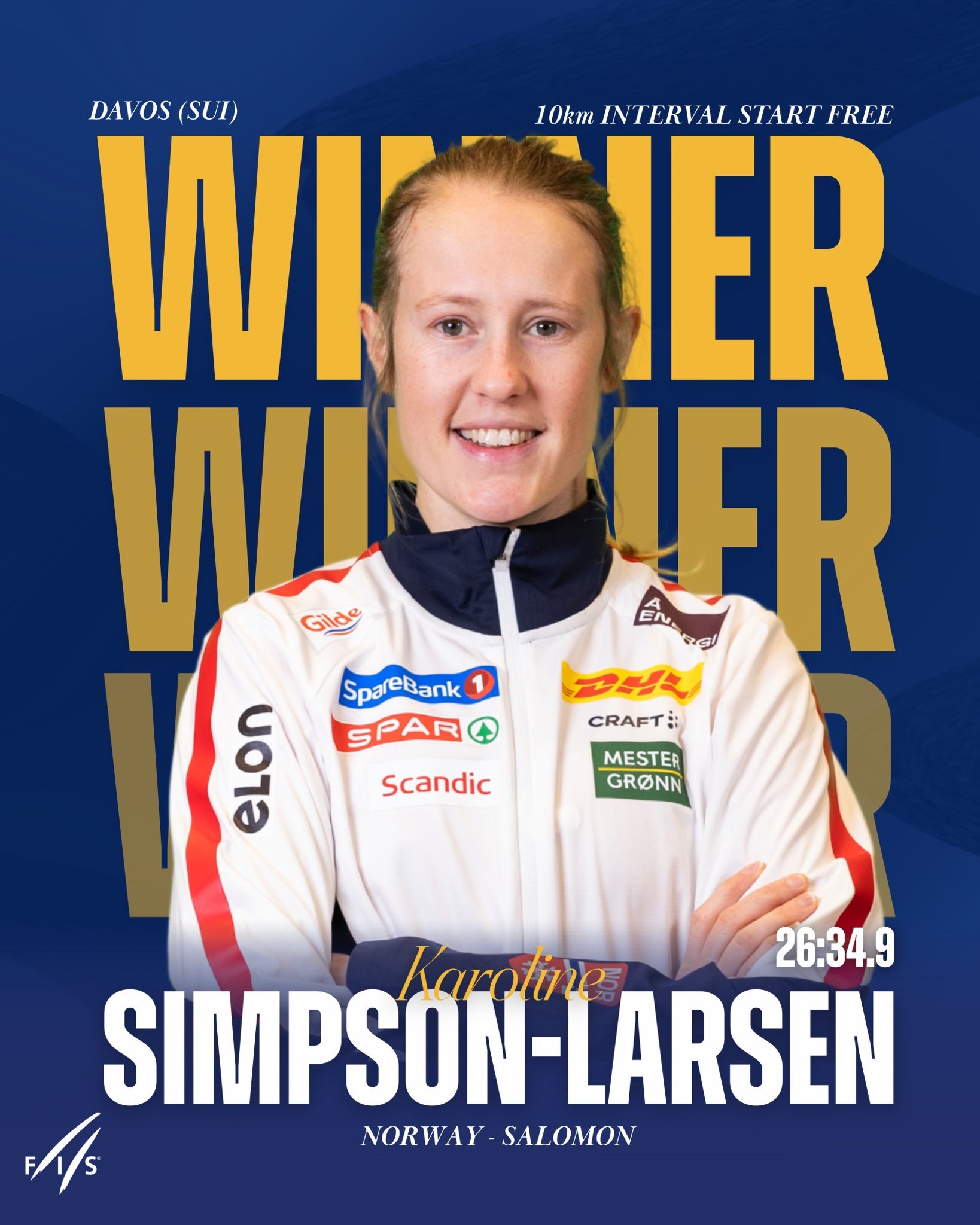
The biggest story, however, came from outside the national teams. Karoline Simpson Larsen finally converted a season full of hints into reality, taking her first World Cup victory. Together with Hedegart, Team Anlegg Øst celebrated a remarkable double win — a reminder that in cross-country skiing, breakthroughs can still come from unexpected places.